Why Your Green Tea Tastes Bitter: 7 Common Mistakes and How to Fix Them
You bought a decent green tea. You followed the advice on the tin. And the cup came out harsh, drying, a little like licking a teabag that's been sitting in the pot since Tuesday. It's a common disappointment, and it almost never means the tea is bad. Green tea is simply less forgiving than black tea: it's unoxidised, delicate, and full of the same compounds that make it taste good right up until you push them too far.
The fix is usually one small adjustment. Here are the seven mistakes behind most bitter green tea, and what to do instead.
1. Your Water Is Too Hot
Most green tea is ruined at the kettle, before it ever touches a leaf. Water straight off the boil — around 100°C — scorches the leaf. It drags out bitter tannins and caffeine faster than it releases the amino acids that give a good green tea its sweet, savoury, brothy quality. The result tastes thin and sharp at the same time, which is a strange combination to drink.
Green tea generally wants water somewhere between 70°C and 85°C. Japanese gyokuro is the cool exception at 50–60°C. Sencha sits comfortably around 70–80°C. Most Chinese pan-fired greens, such as Longjing, are happy at 75–85°C.
You don't need a thermometer, though it helps for the first few brews. Boil the water, then:
- Pour it into your teapot or cups and let it sit for two or three minutes.
- Or pour it from the kettle into one cup, then another, then the pot — each transfer knocks off a few degrees.
- Watch and listen. If there's no steam rising and the surface is still, you're probably in range.
A note on Japanese greens
Japanese teas are steamed rather than pan-fired, which leaves them greener, more vegetal and more sensitive to heat. If you're drinking sencha, err cooler — 70°C rather than 85°C. Gyokuro drinkers often brew at 50–60°C and steep longer, which sounds backwards but produces a cup that's sweet and almost soupy.
2. You're Steeping for Too Long
Temperature and time are two dials on the same machine. Turn both up and you get bitterness. Time is the easier one to control.
Green tea rarely needs more than two minutes. A first steep of 60 to 90 seconds is plenty for most loose-leaf greens; the most delicate ones are done in 45. If you're using a tea bag in a mug, one to two minutes is usually right.
Set a timer. Not a vague glance at the clock — an actual timer, phone or kitchen one. Green tea goes from bright to bitter in under a minute, and it's easy to lose track while you're doing something else.
If you want a stronger cup, don't steep longer. Add more leaf, or take a second steep. Re-steeping is one of the quiet pleasures of good green tea: the second and third infusions are often sweeter and rounder than the first, with less of the bite.
3. Too Much Leaf, or Leaf That's Too Fine
Measure it. A reasonable starting point is 2–3 grams of leaf per 200ml of water, which is roughly a rounded teaspoon for most whole-leaf greens. If your tea is broken or finely cut, use less.
Surface area matters more than people expect. A dusty tea bag can turn bitter in a minute while a whole leaf takes three, simply because there's more of the leaf exposed to water.
How the shape of the leaf changes things
- Whole, flat leaves (Longjing, sencha): slower extraction, more forgiving of a clumsy pour.
- Broken leaves and fannings (most supermarket bags): fast, so keep the steeps short.
- Powdered (matcha): not steeped at all. It's whisked into suspension, so bitterness comes from water temperature and how much powder you use, not from time.
4. Your Water Tastes Bad
Tea is almost entirely water, so if your tap water tastes of chlorine or leaves a film in the kettle, that's what you'll taste in the cup. Hard water — high in calcium and magnesium — also flattens the flavour and can add a dull, chalky note that no amount of careful brewing will fix.
Use filtered water. Soft but not distilled: distilled water lacks the minerals that help tea taste like tea. Keep a jug in the fridge so it's ready to heat, and try not to re-boil the same water over and over. Each boil drives off oxygen and concentrates minerals, and the tea tastes flat for it.
5. You're Storing It Wrong
Green tea is the most perishable of the main tea types. Heat, light, air and moisture all degrade it, and it absorbs nearby smells eagerly — keep it next to the coffee beans and it will taste of coffee.
Keep green tea in an airtight, opaque tin somewhere cool and dark. The fridge works if the tea is properly sealed and you let the tin come to room temperature before opening it; otherwise condensation forms on the leaves. Buy in smaller amounts and drink it within a few months. If your tea is more than a year old, dull and yellowing in the tin, no brewing adjustment will rescue it.
6. You're Not Preheating — or You're Leaving the Leaves Sitting
Two small habits, both worth having. First, warm the pot or gaiwan with hot water before brewing, then tip that water away. A cold vessel can drop the temperature of your carefully measured water by ten degrees or more before the leaves even get going.
Second, don't leave the leaves sitting in the water once the steep is finished. Decant the tea — into cups, a small pitcher, a thermos — as soon as the time is up. A strainer basket left in the mug keeps brewing whether you're paying attention or not.
7. You're Treating Every Green Tea the Same
This is the mistake behind the other six. A 50°C gyokuro, a 75°C Longjing, a supermarket tea bag and a whisked bowl of matcha are four different drinks with four different sets of rules. When you open a new tea, start gentle: cooler water, shorter time, a little less leaf. Then adjust one variable at a time until it tastes right to you. That last part matters more than any chart.
If the cup is bitter, the answer is almost always less heat or less time — not a different tea.
A Quick Checklist for the Next Cup
- Boil the water, then wait two or three minutes, or pour it between cups to cool it.
- Use 2–3g of leaf per 200ml.
- Start with a 60-second steep, taste, then add 15–30 seconds next time if you want more.
- Use filtered water, and don't keep re-boiling the same batch.
- Warm the pot first.
- Take the leaves out the moment time is up.
- Store what's left sealed, dark and cool.
If It's Still Bitter
Then consider that the tea itself may be old, broken and dusty, or simply roasted in a style you don't enjoy. Bitterness isn't automatically a fault — plenty of green teas carry a pleasant bite — but harshness that lingers and dries your mouth usually isn't what anyone is after.
Change one thing at a time, and keep a note if you're the sort of person who keeps notes. Two or three honest cups, tasted side by side, will teach you more about your own tea than any set of rules. Start with the temperature. It's the mistake most of us make first, and the one that pays off fastest.
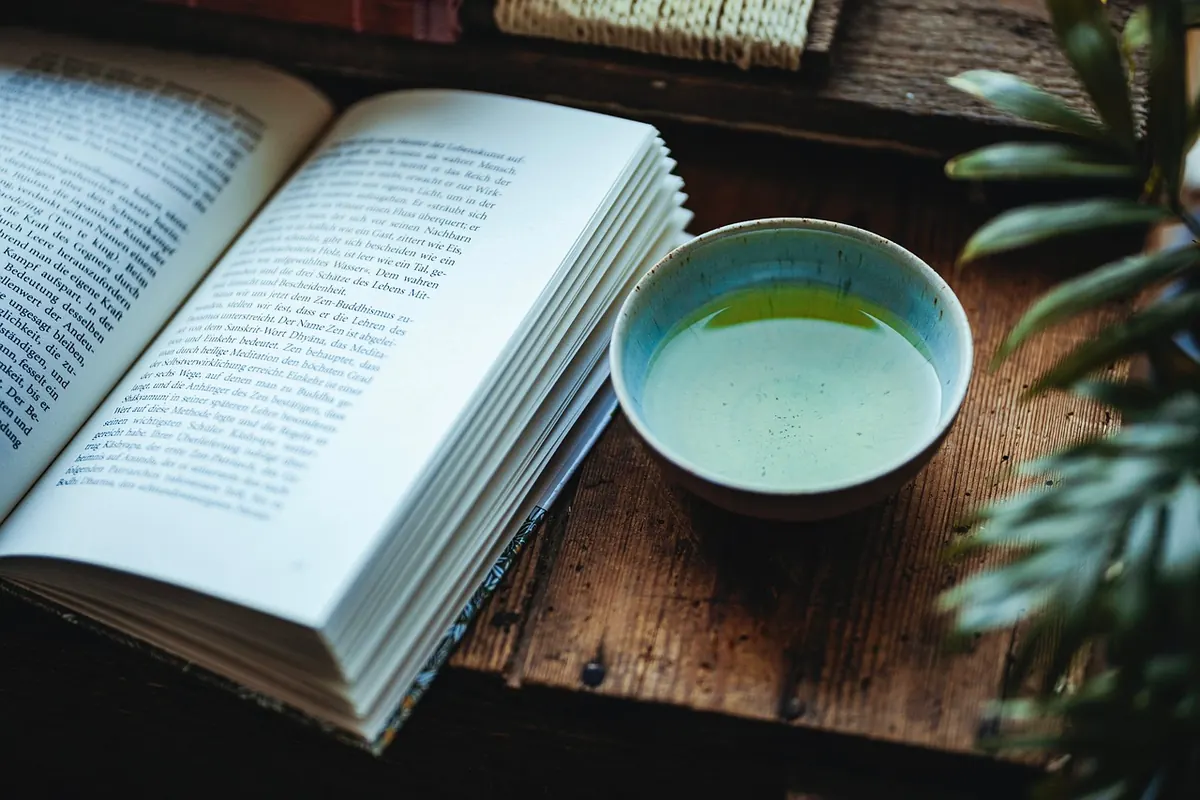
Photo: mirkostoedter / Pixabay
Autumn Tea Pairings: 6 Warming Teas and Simple Snacks for Cool Evenings
Six fall tea pairings that match spiced, roasted, and earthy brews with easy snacks — cardamom-apple...
How to Read Tea Labels: Decoding Origin, Grade, and Harvest Terms
Tea labels are easier to read once you know which words describe origin, grade, harvest, and freshness....
About Us