Autumn Tea Pairings: 6 Warming Teas and Simple Snacks for Cool Evenings
The first genuinely cold evening of autumn has a smell: wet leaves, woodsmoke somewhere down the street, and whatever is simmering on the stove. It also has a sound, the click of the kettle switching off. Tea is already the most natural drink of the season, but the right snack beside it turns a mug into something closer to a small ceremony. No pastry chef required, and no cabinet of rare leaves. The six pairings below use teas you can buy in most supermarkets or online, matched with snacks that take ten to twenty minutes and a normal grocery run. Each one explains why it works, so you can start improvising by November.
Two Rules That Make Pairings Work
Before the specific combinations, two ideas do most of the heavy lifting. First, match weight. Light, grassy teas want light, delicate food. Roasted, smoky, or aged teas want richer, sweeter, more caramelized food. A delicate green tea vanishes next to a slice of chocolate cake; a smoky lapsang will flatten a cucumber sandwich. Second, use salt and sweetness as bridges. A drizzle of honey, a pinch of flaky salt, or a spoon of browned butter gives the tea something to push against.
Then there is tasting order. Sip the tea alone, take a bite, sip again. The second sip is where a pairing either clicks or doesn't, and it takes about five seconds to find out. Keep the tea hot and the snack warm or at room temperature; cold food mutes aroma, which is most of what you are actually tasting.
Warming Spiced Teas
Masala chai with cardamom-apple toast
Melt a tablespoon of butter in a skillet. Add one apple sliced thin, a half teaspoon of ground cinnamon, and three crushed cardamom pods. Cook four to five minutes, until the edges soften and turn gold, then pile it onto two slices of buttered sourdough or whole wheat toast and finish with honey.
For the chai, simmer 200 ml water with a heaped teaspoon of Assam, three cardamom pods, a small piece of ginger, two cloves, and a cinnamon stick for four minutes. Add 100 ml milk, heat until steaming, strain, and sweeten. The spices echo the ones in the apple, the milk softens the tea's tannins, and the fruit's mild acidity keeps the whole thing from turning heavy.
Hojicha with miso-butter sweet potato
Cut a large sweet potato into wedges, toss with oil and salt, and roast at 200°C (400°F) for about 25 minutes. Mash a tablespoon of butter with a teaspoon of white miso and brush it over the hot wedges. Brew hojicha at 80°C (175°F) for 60 seconds. Hojicha is roasted, so it carries almost none of the grassiness that puts people off green tea, and its toasted notes line up neatly with the caramelized edges of the potato. The miso's salt is the bridge.
Smoky and Roasted
Lapsang souchong with dark chocolate and smoked almonds
Break a bar of 70% chocolate into rough shards, put out a handful of smoked almonds, and add a few dried cherries if you have them. Brew lapsang gently at first: 2 to 3 grams of leaf per 250 ml, water just off the boil, two to three minutes. It is a loud tea, so keep the cups small.
Smoke and cocoa share the same roasted, bittersweet register, and the salt on the almonds resets your palate between bites. If lapsang feels like too much, blend it half and half with a plain black tea or a Keemun and the pairing still holds.
Roasted oolong with honey-glazed pears
Halve and core two pears. Melt a tablespoon each of butter and honey in a skillet with a pinch of cinnamon, lay the pears cut side down, and cook five to six minutes before flipping for another three. A 200°C oven for 20 minutes works just as well. Brew a roasted oolong at 90–95°C, starting with a 30-second steep and adding ten seconds to each round.
Oolong's stone-fruit and toast notes meet the pears halfway, and because a good oolong gives you five or six infusions from the same leaves, the pairing can stretch across an entire evening.
Earthy and Comforting
Pu'er with date and walnut bites
Split Medjool dates lengthwise, tuck a walnut half into each, and add a single flake of salt. A sliver of orange zest on top is optional and good. For ripe (shou) pu'er, rinse the leaves once with boiling water, then steep 5 grams in 200 ml for 10 to 15 seconds, adding a few seconds each round. The tea tastes of cocoa, damp earth, and dried fruit; the dates match its density, and the salt stops the sweetness from becoming cloying. Short steeps matter here, because shou pu'er turns bitter fast.
Genmaicha with toasted mochi
Put plain mochi blocks in a dry nonstick pan over medium heat for five to eight minutes, turning, until they puff and blister. Dip them in soy sauce with a pinch of sugar, or wrap them in nori. Brew genmaicha at 80°C for 60 seconds. Toasted rice in the tea, toasted rice in the snack: the match is almost too easy. The green tea's freshness cuts the starchy chew, which is exactly what you want after the third piece of mochi. Let them cool a moment before eating, particularly with children at the table.
Small Things That Improve Any Pairing
- Warm the cups and the pot with hot water, then tip it out before brewing. Cold ceramic steals heat from the first steep.
- Use filtered water and boil it fresh rather than repeatedly, which flattens the taste.
- Measure your leaves. A cheap kitchen scale does more for your tea than an expensive pot.
- Keep portions small: three bites and two small cups is a pairing, not a meal.
- Brew in a small vessel and refill often instead of letting one large mug go lukewarm.
- All true tea contains caffeine. If it keeps you awake, drink the stronger brews earlier in the evening and switch to caffeine-free options such as rooibos later on. If you take medication or manage a health condition, ask a pharmacist or doctor about caffeine.
- Write one line about each pairing: what you drank, what you ate, what you would change. A notebook page beats memory.
Make It a Weekly Ritual
Pick one pairing a week and give it a fixed slot — Friday after dinner, or Sunday before the week starts again. Shop for it in a single trip, and keep the setup to one pot, one pan, and one small plate. If a combination falls flat, change one variable rather than starting over: sweeten the snack, shorten the steep, or add a pinch of salt. Then set out honey and milk for whoever joins you, because tea for two is almost always better than tea for one, and the point of all this is a warm half hour on a cold night, not a perfect table.
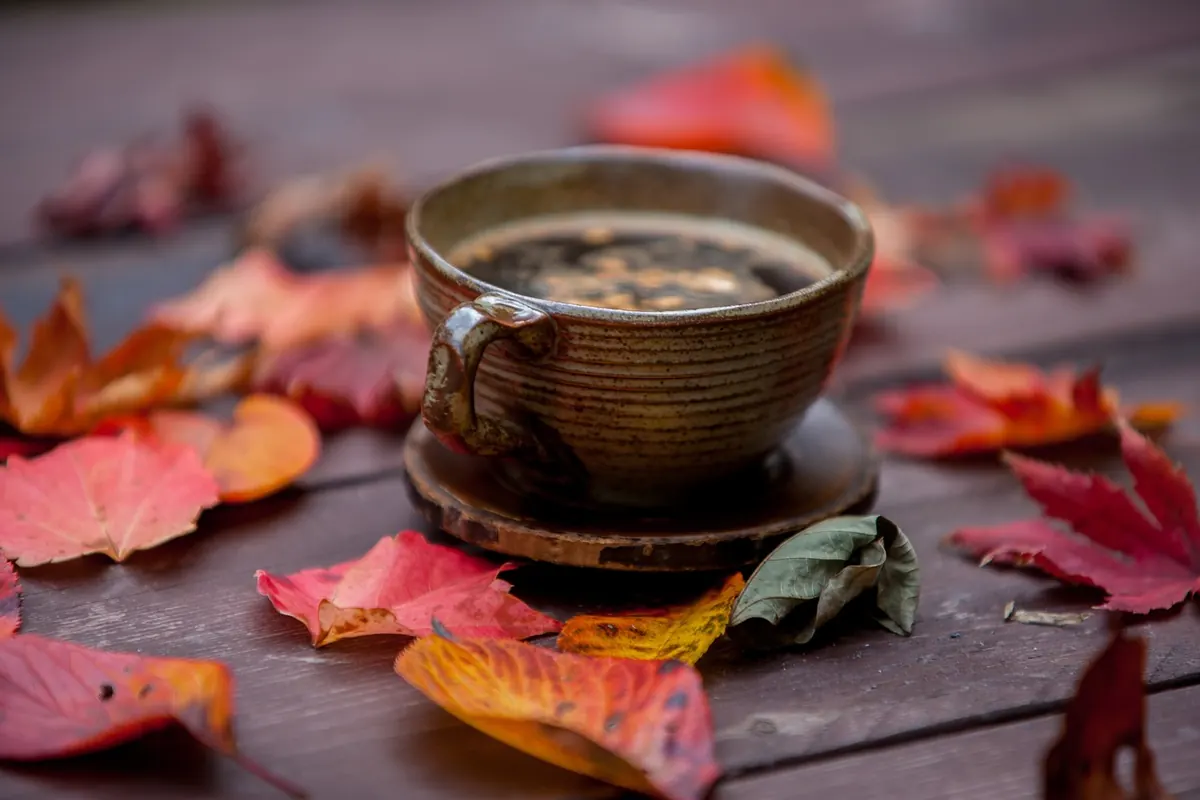
Photo: chulmin1700 / Pixabay
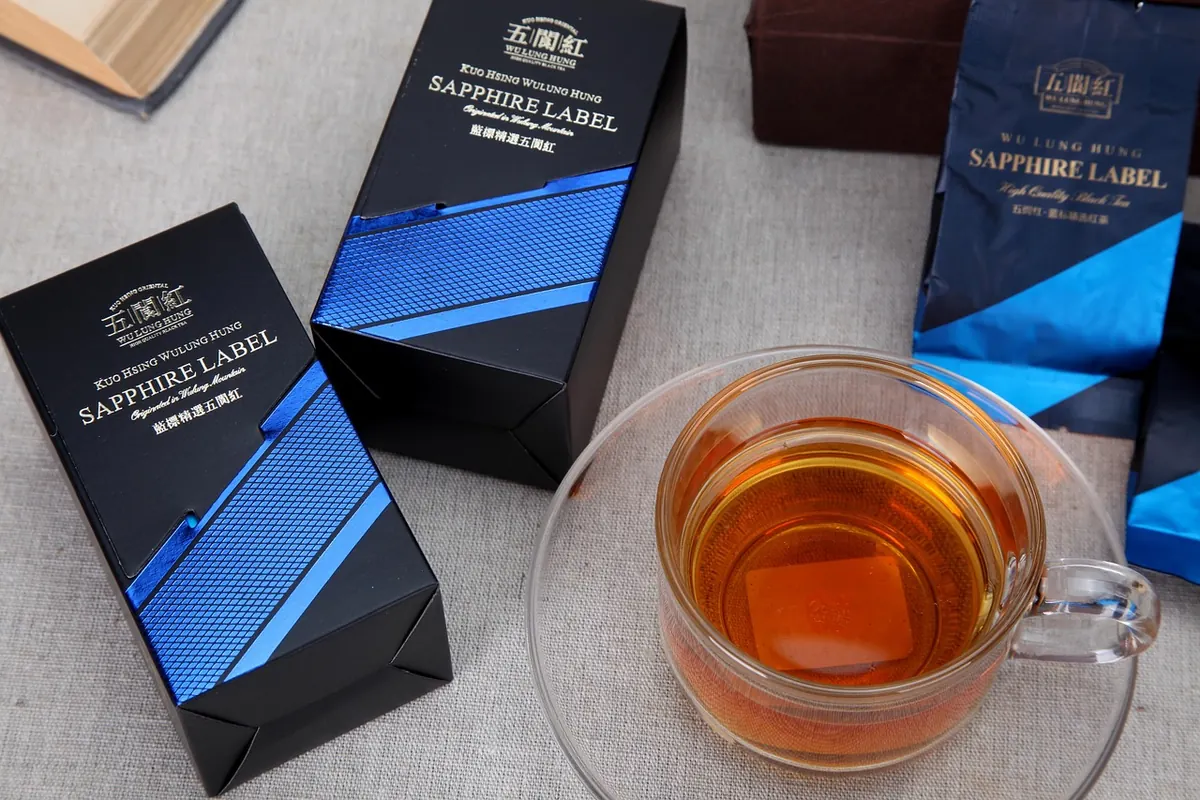
How to Read Tea Labels: Decoding Origin, Grade, and Harvest Terms
Tea labels are easier to read once you know which words describe origin, grade, harvest, and freshness....
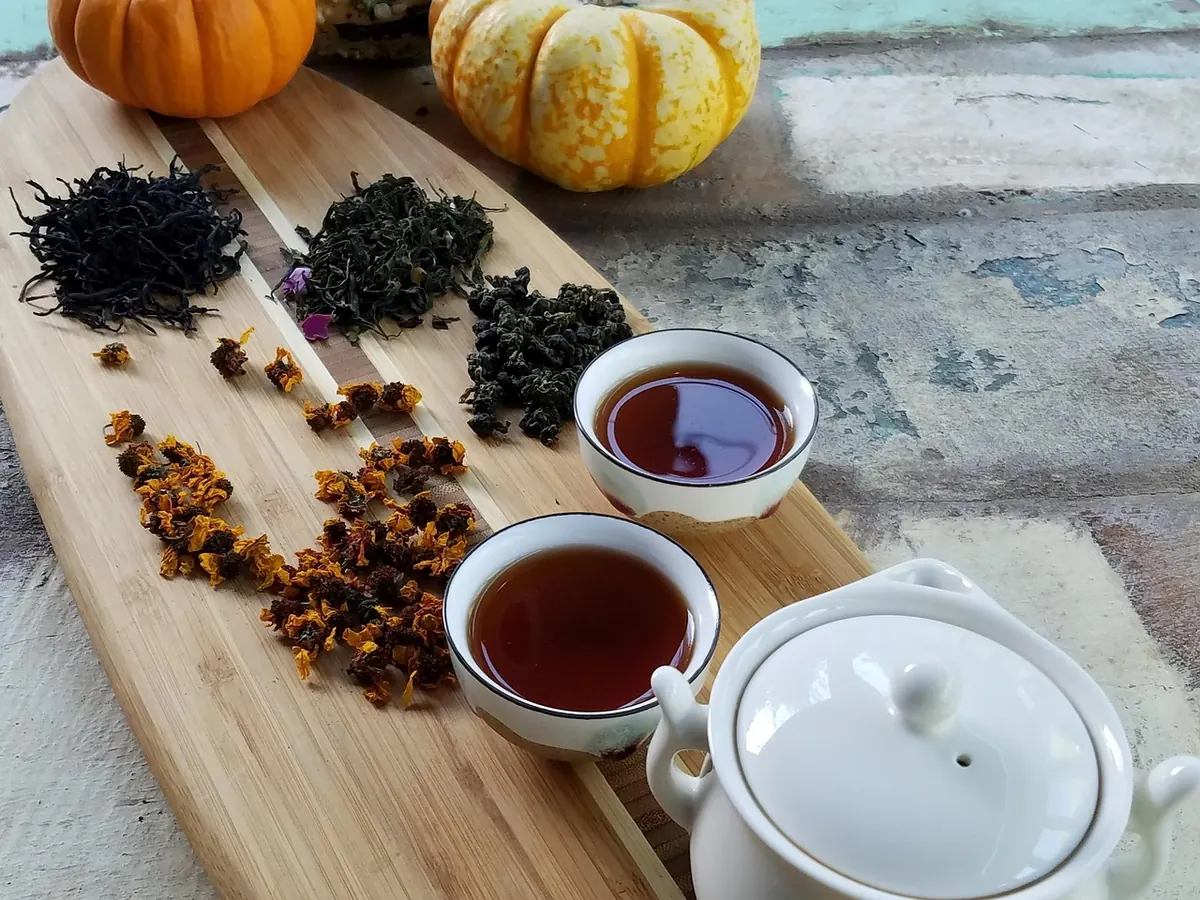
Taiwan Oolong Tea Regions: A Taster's Guide to Flavor Profiles
A region-by-region guide to Taiwan's oolong teas, explaining how elevation, fog, season and processing...
About Us