How to Read Tea Labels: Decoding Origin, Grade, and Harvest Terms
A tea label can look like a secret code. FTGFOP1, first flush, single estate, 1,200 meters, spring 2024—some of it is useful, some is marketing, and some only makes sense if you know the conventions behind it. The good news is that you do not need to memorize a glossary to shop well. You need to know which parts of a label tell you what is inside the tin, and which parts are just decoration.
Start with Origin: Country, Region, Estate, Garden
Origin terms work like nesting dolls. The country tells you the broad style: Japan, China, India, Sri Lanka, Kenya, Taiwan. The region narrows it further: Uji, Fujian, Darjeeling, Assam, Nuwara Eliya, Yunnan. The most specific label names a garden, estate, cooperative, or mountain. “Darjeeling” is a region. “Singell Estate” is a place within that region. “A blend of black teas from India and Sri Lanka” is neither.
Single-origin does not automatically mean better. A skilled blender can create a more consistent, balanced cup than a mediocre single-estate tea. But if you want to taste a place, look for a named source and a harvest season. A label that says “Himalayan blend” on the front and “black tea from multiple countries” on the back is telling you exactly what it is: a blend. That is fine for an everyday cup, but it will not help you learn what Darjeeling or Nepali tea tastes like.
Elevation, cultivar, and garden names are clues, not guarantees. High-grown teas from slow-growing bushes often have more aroma and finesse, but weather, processing, and storage matter just as much. Treat “1,500 meters” as one data point, not a quality score.
Grade Codes: What Letters Can and Cannot Tell You
Black tea grades are the most confusing part of many labels. Terms like OP (Orange Pekoe), FOP (Flowery Orange Pekoe), FTGFOP (Finest Tippy Golden Flowery Orange Pekoe), BOP (Broken Orange Pekoe), fannings, and dust describe leaf size and style. The word “orange” has nothing to do with orange flavor; it is historical tea trade language.
In general, whole-leaf grades sit above broken grades, which sit above fannings and dust. But the letters are not a universal ranking. One estate’s FTGFOP may be less impressive than another estate’s simple OP. Different countries and companies use the system differently, and green, white, oolong, and pu-erh teas often skip these codes entirely. Japanese teas use their own vocabulary: shincha, sencha, gyokuro, and matcha, with matcha sometimes labeled ceremonial or culinary. Chinese teas may say “premium” or “special grade,” which is vague. More useful is a picking standard such as “one bud and one leaf” or “two leaves and a bud,” plus a cultivar name.
Read grade as a description of leaf style, not a medal. If you enjoy a bold, quick-brewing cup, a broken-grade BOP may serve you better than a delicate whole-leaf FTGFOP. If you brew grandpa-style in a mug, whole leaves are more forgiving.
Harvest Terms: Flush, First Pluck, and Shincha
A flush is a period of new growth. In many regions, the first flush comes in spring after winter dormancy. Darjeeling first flush is often light, floral, and brisk; second flush is usually rounder and fruitier. Autumn flush can be softer and more grounded. In Japan, shincha means the first harvest of the year, and ichibancha, nibancha, and sanbancha refer to first, second, and third crops.
Harvest labels matter most for green, white, and lightly oxidized teas, where freshness is a major part of the appeal. A “spring 2024” Darjeeling or a “first harvest” Japanese sencha tells you more than “fresh.” For aged pu-erh or roasted oolong, the harvest year still matters, but age can be a feature rather than a flaw. If the package only says “best before” with a date years away, that is a shelf-life estimate, not a harvest date. Look for a specific month and year, a lot number, or a packed-on date.
Processing and Style Words Are Not Grade Words
Words like orthodox, CTC, steamed, pan-fired, roasted, and oxidized describe how the leaves were made. Orthodox processing generally keeps leaves whole and produces a more layered cup. CTC, which stands for crush, tear, curl, turns leaves into small pellets that brew strong and fast; it is common in tea bags and masala chai blends. Neither is inherently good or bad. They are different tools.
“Hand-picked” sounds romantic, but machine picking can be precise for certain styles. “Hand-crafted” may mean careful sorting, or it may mean very little. More helpful are details about oxidation level, roasting, or steaming. A steamed Japanese green tea will taste vegetal and marine; a pan-fired Chinese green tea often tastes nuttier and toastier. If the label says “jasmine,” check whether the tea was scented with real flowers or flavored. If it says “Earl Grey,” the defining note is bergamot. If it says “chai,” expect spices, and check whether the base is black tea, green tea, or something else.
How to Compare Two Tins in the Shop
Use this quick sequence when you are holding two packages and cannot decide.
- Read the origin line. Country is good. Region is better. Estate, garden, or cooperative plus a harvest season is best.
- Find the harvest date. A specific month and year beats “fresh” or a distant best-before date.
- Check the grade in context. For black tea, note whether it is whole leaf, broken, fannings, or dust. For green and oolong, look for style words instead.
- Scan the ingredients. Is it tea only, or are there flavorings, flowers, spices, or sweeteners? Both can be good, but you should know what you are buying.
- Look for a lot number or cultivar. These help you reorder the exact tea you liked, rather than guessing.
- Compare cost per gram, not just tin size. A smaller tin of whole-leaf tea may brew more satisfying cups than a large bag of dust.
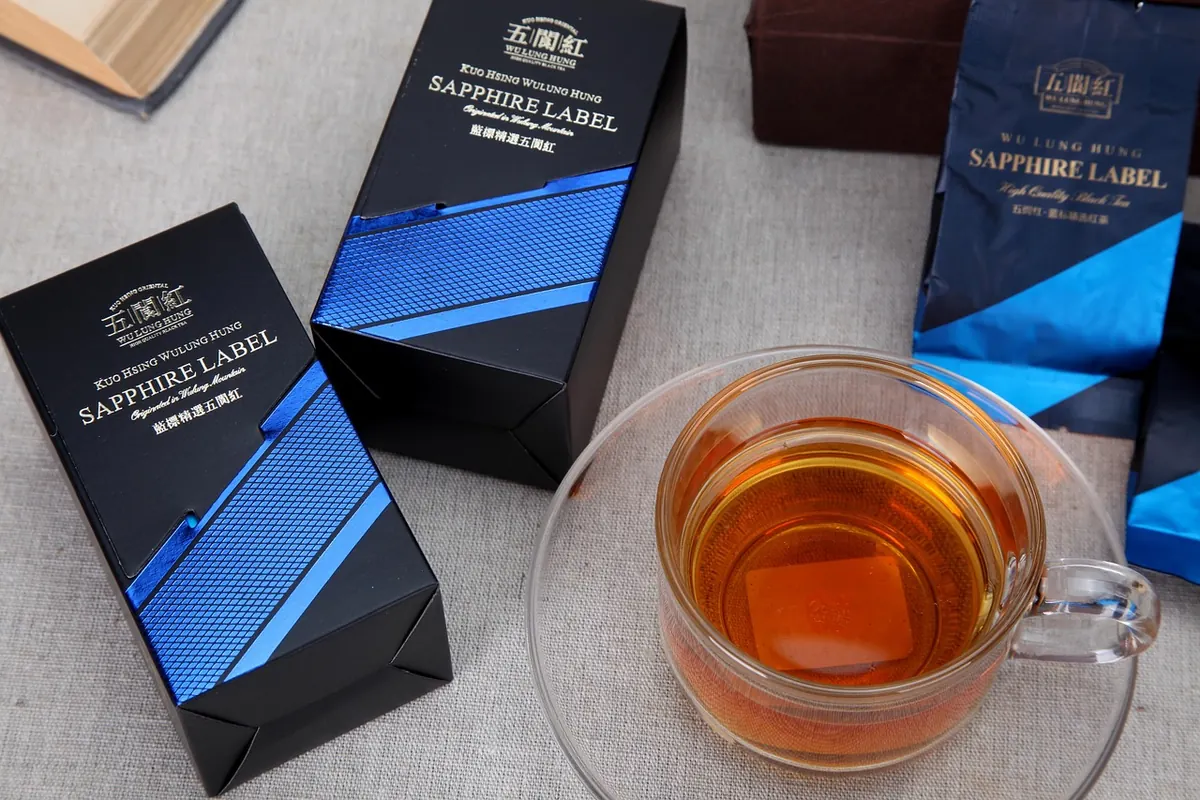
A useful label might read: “Singell Estate, Darjeeling, Second Flush, FTGFOP1, Harvest May 2024.” That tells you place, season, leaf style, and freshness. A vague label might read: “Premium Green Tea, Product of China, Best Before 2027.” It may still be pleasant, but you have no way to know what you are tasting or how old it is.
When Labels Get Vague
“Premium,” “artisan,” “gourmet,” “rare,” “selected,” and “hand-crafted” are marketing words. They rarely tell you where, when, or how the tea was made. That does not mean the tea is bad. It means you cannot judge it from the front of the box. Turn the package over. If the back is just as vague, let your nose and the shop’s reputation guide you.
Ask direct questions when you can: What year was this harvested? Is it a single origin or a blend? What is the leaf style? How should I brew it? A good tea seller will answer without reaching for another slogan. If you are buying online, look for a detailed product page with origin, harvest, and brewing notes.
The Practical Takeaway
Read tea labels as a set of clues, not a scorecard. Prioritize origin specificity, harvest date, and leaf style. Then let your taste decide. Buy small amounts when you are exploring, keep brief notes on what you liked, and reorder by lot number when you find a tea that suits you. If caffeine is a concern, speak with a healthcare professional about what fits your situation.
The more you read labels, the faster you will spot the difference between information and decoration. That is when shopping for tea stops feeling like a test and starts feeling like a conversation.
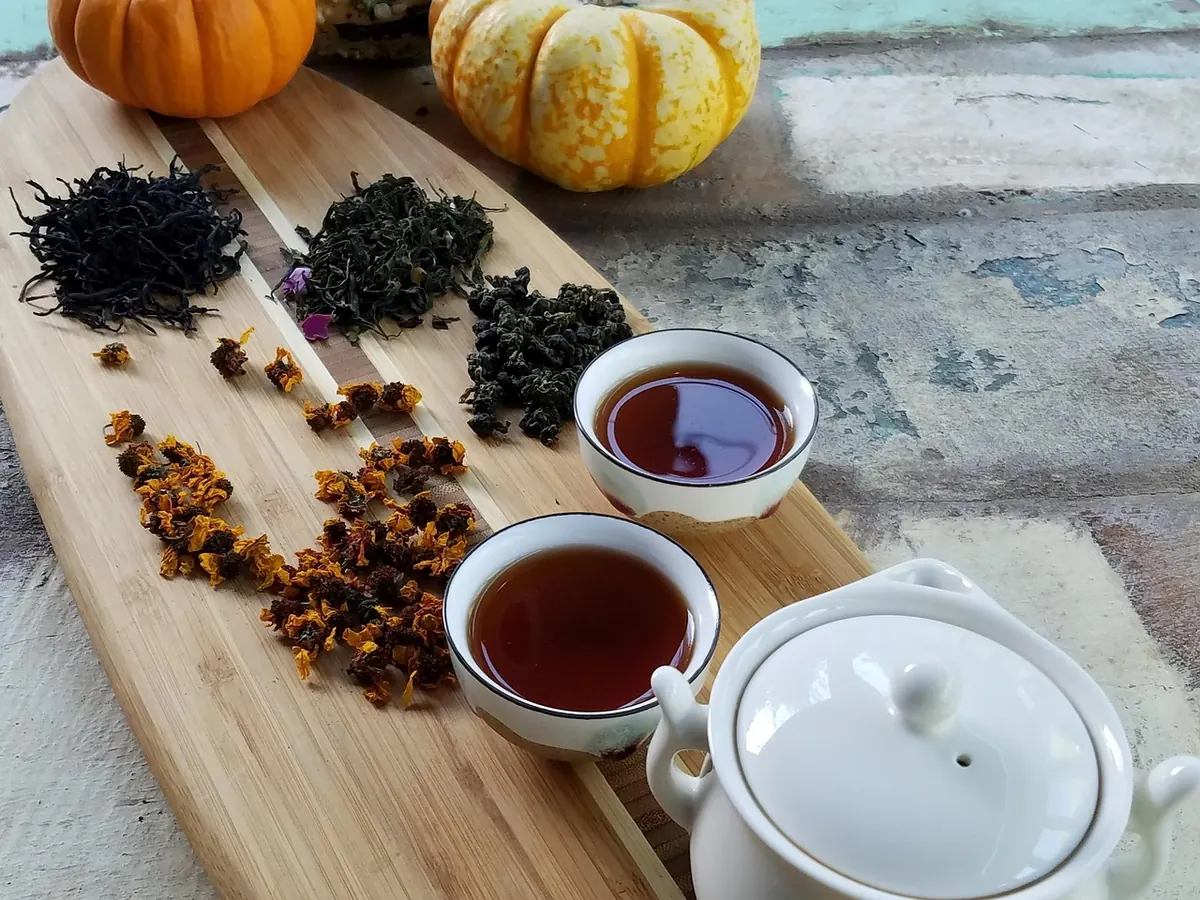
Photo: Threemountain / Pixabay
Autumn Tea Pairings: 6 Warming Teas and Simple Snacks for Cool Evenings
Six fall tea pairings that match spiced, roasted, and earthy brews with easy snacks — cardamom-apple...
Taiwan Oolong Tea Regions: A Taster's Guide to Flavor Profiles
A region-by-region guide to Taiwan's oolong teas, explaining how elevation, fog, season and processing...
About Us