How to Host an Afternoon Tea at Home: Spring Menu and Timeline
Afternoon tea has a reputation for being fussy, but the best versions are the ones where the host is actually sitting at the table. Spring is the ideal season to try it: markets are full of asparagus, radishes, peas, rhubarb and strawberries, and the light is kind enough that you can serve everything at room temperature without apology. The trick is to choose a menu where most of the work happens the day before, then build a timeline that gets you out of the kitchen by the time the kettle boils.
Start With the Shape of the Meal
Traditional afternoon tea runs in three loose courses: savouries, scones, then sweets. That order exists for a reason. Starting with something salty and savoury wakes up the palate, scones act as the warm pause in the middle, and the sweet layer finishes things without overwhelming anyone.
For a spring table, aim for roughly two bites of each item per guest. If you are serving six people, four savoury options with three pieces each is generous without leaving you with a fridge full of leftovers. Portion control matters more than variety here; five excellent things beat nine mediocre ones.
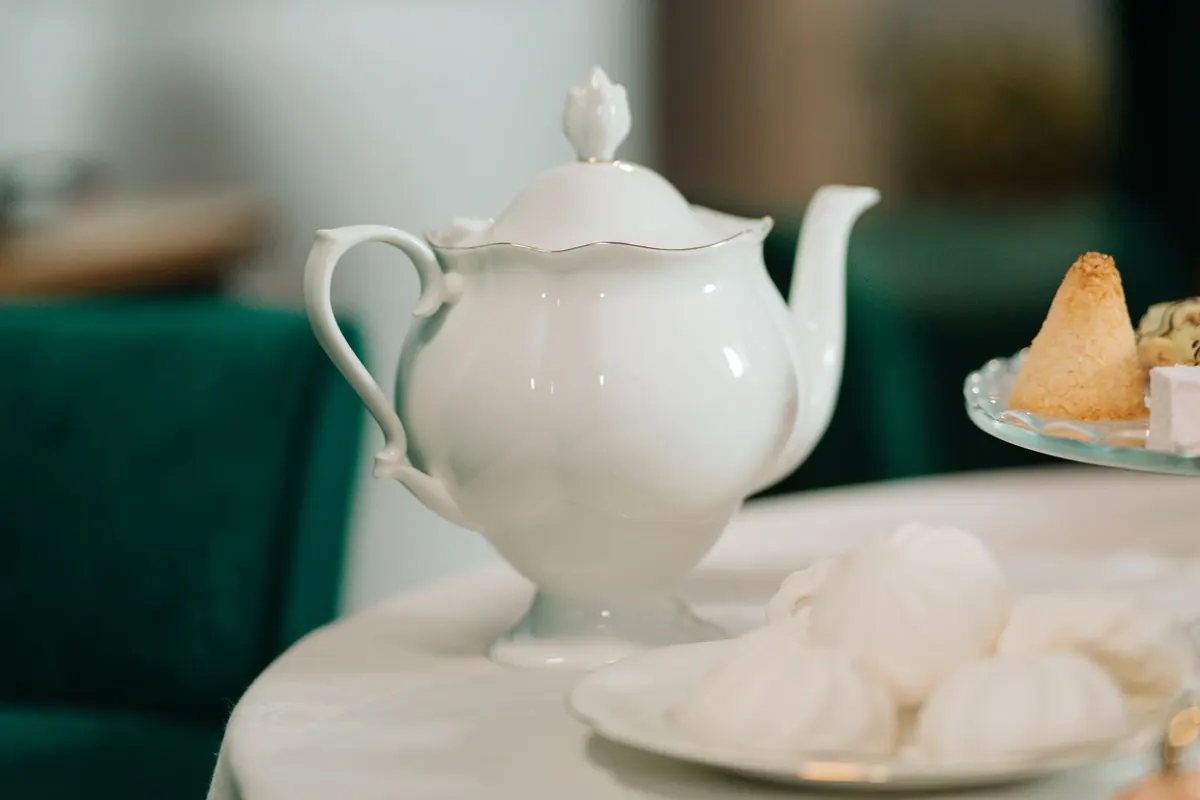
Think about what your table can physically hold. A three-tier stand is lovely but awkward if you are passing plates. Two platters and one cake plate often work better in a home dining room.
The Make-Ahead Spring Menu
Savouries
- Cucumber and dill butter finger sandwiches. Salt the cucumber slices on paper towel for twenty minutes before assembling, or the bread will weep. Make these no more than two hours ahead and cover with a damp cloth.
- Asparagus and lemon ricotta tartines. Blanch thin spears for two minutes, cool them in ice water, and store wrapped. Spread the ricotta on toasted sourdough right before serving.
- Mini smoked salmon and radish toasts. Slice radishes paper-thin on a mandoline and keep them in iced water so they curl. Assemble at the last minute.
- Pea and mint tartlets. These can be fully baked a day ahead and warmed for five minutes. Frozen pastry cases are a legitimate shortcut.
Scones
One scone, done properly, is enough. A plain buttermilk scone with clotted cream and the first good strawberry jam of the year needs nothing else. Make the dough and cut the rounds the night before, freeze them on a tray, then bake from frozen in the morning — they take a few extra minutes and taste as if you made them at the last second.
Sweets
- Rhubarb and orange posset. Made in small glasses two days ahead, it sets firm and looks elegant with a sliver of candied orange peel.
- Lemon shortbread. Keeps for a week in a tin, which means one less thing on the day.
- Strawberry and elderflower mini pavlovas. Bake the meringue shells a day ahead; whip the cream and slice the fruit an hour before guests arrive.
Choosing and Pairing the Teas
Three teas across the meal is plenty, and a fourth if you want a caffeine-free option. Serve them in the same order as the food.
With savouries: a brisk second-flush Darjeeling or a light Ceylon. You want something with enough structure to stand up to bread and butter but not so tannic that it competes with the delicate fillings. A green tea such as sencha also works well with the pea tartlets.
With scones: an assertive Assam or an English breakfast blend. The malt and cream in the tea mirror the clotted cream on the plate, and a splash of milk is entirely appropriate here.
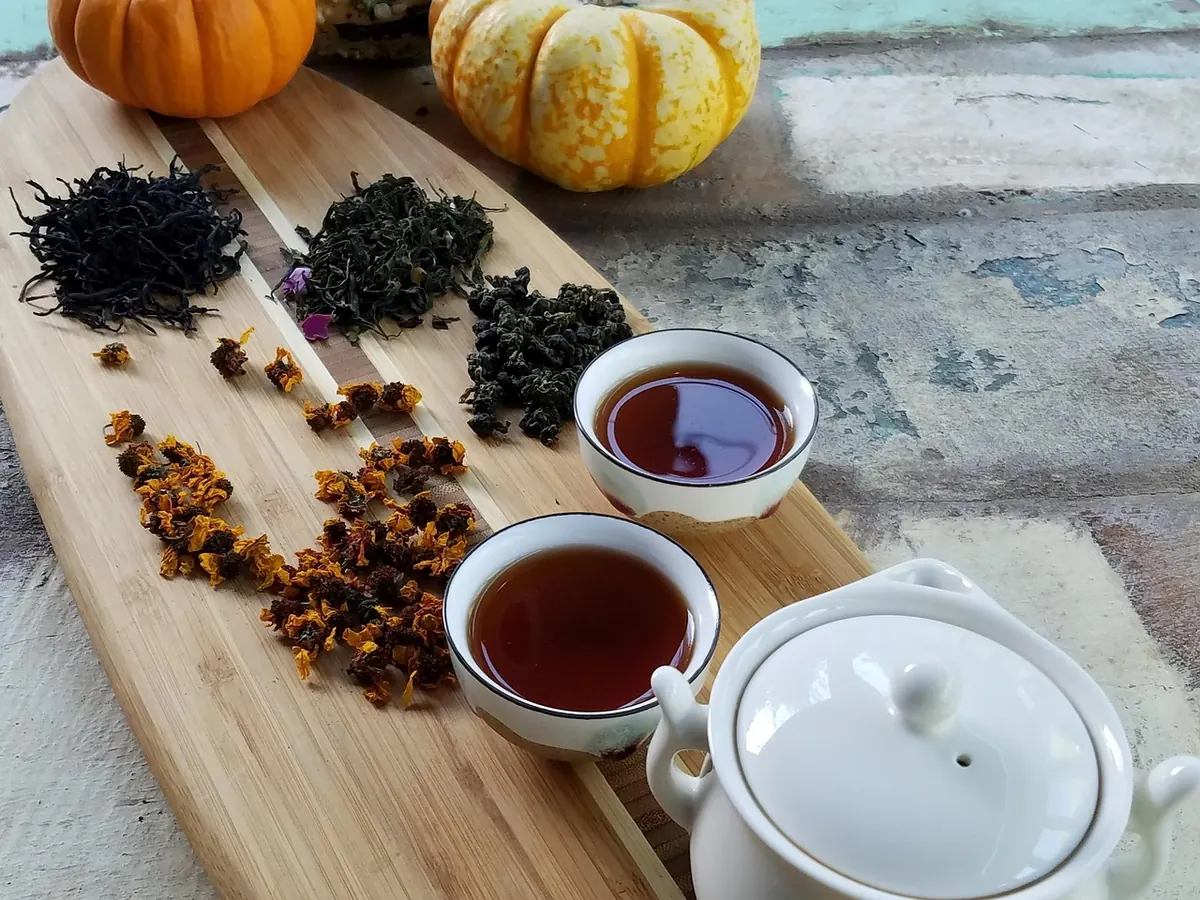
With sweets: this is the moment for something aromatic. A jasmine-scented green, a Darjeeling first flush, or a lightly smoky lapsang souchong with the posset. If you prefer herbal, a rose and hibiscus blend or a plain peppermint both cut through sugar nicely.
Brewing matters more than the label. Black tea wants water just off the boil, roughly 95°C, and three to four minutes. Green tea wants cooler water, around 75–80°C, and two to three minutes. Anything longer turns bitter. If you are brewing for a crowd, use a large pot and a timer rather than guessing.
A Workable Timeline
This assumes a 3 p.m. sitting for six guests.
- Two days before: Make the posset and chill it. Bake the meringue shells and store them in an airtight tin. Candy the orange peel. Write your shopping list and check what you already own.
- One day before: Shop for flowers, bread and dairy. Make the scone dough, cut it, and freeze the rounds on a lined tray. Bake the shortbread. Toast and cool the bread for tartines, then store it in a paper bag. Press the tablecloth.
- Morning of: Slice cucumber and salt it. Blanch asparagus and chill. Make the lemon ricotta. Set the table. Fill the kettle and put out the tea tins so you are not hunting for them later.
- One hour before (2 p.m.): Bake the scones from frozen and keep them warm in a cloth-lined basket. Whip cream for the pavlovas. Assemble the tartines. Put water on to heat.
- Thirty minutes before: Brew the first pot of tea. Take a breath. Put on the music you actually want to hear.
- On arrival: Guests get a cup of the first tea and the savoury platter. Move to scones around 3:40, sweets at 4:15. Refill pots without asking.
If you are short on time, the honest rule is this: buy the sweets, make the scones, and put your effort into the savouries and the tea. Nobody has ever left an afternoon tea disappointed because the biscuits came from a bakery.
Small Things That Make It Feel Considered
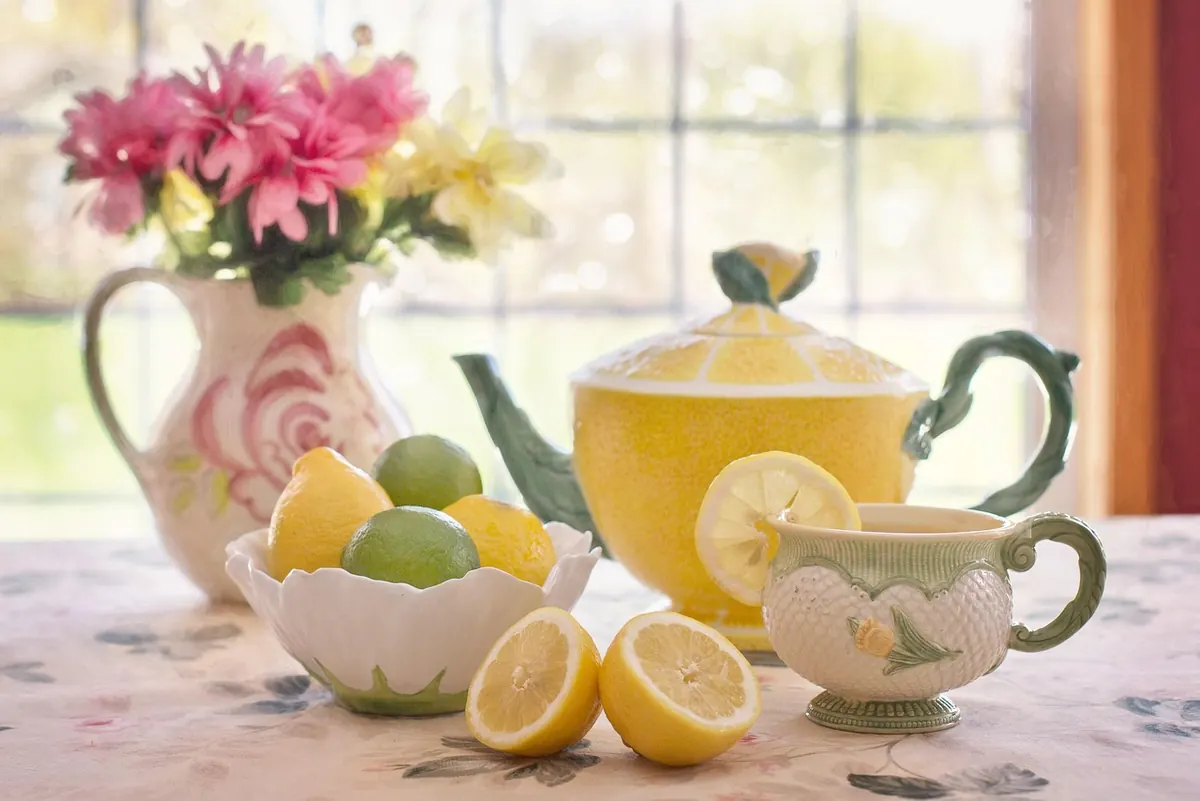
Warm the teapot with a splash of hot water before you add leaves. Offer lemon slices on a small dish rather than a bowl of wedges swimming in juice. Put a jug of plain water on the table; people drink more tea when they can reset their palate. Have a second pot ready rather than asking if anyone wants more — just pour.
Seating matters too. Afternoon tea is a conversation meal, not a performance, so arrange chairs so everyone can see most of the table. If you have guests with dietary needs, ask in advance and offer them the same item made differently rather than a separate plate of substitutes. It takes five extra minutes and changes the whole experience for them.
Finally, do not over-schedule. The gaps between courses are where the good talking happens. Leave the plates on the table a little longer than feels tidy.
If You Want to Keep It Simple
A pared-back version of this meal is entirely respectable: two savouries, one scone, one sweet, two teas. Choose a Darjeeling for the start and a jasmine for the finish, and put the saved effort into a clean table and a proper pot. That is a spring afternoon tea. The rest is decoration.
Photo: cottonbro studio / Pexels
Autumn Tea Pairings: 6 Warming Teas and Simple Snacks for Cool Evenings
Six fall tea pairings that match spiced, roasted, and earthy brews with easy snacks — cardamom-apple...
How to Read Tea Labels: Decoding Origin, Grade, and Harvest Terms
Tea labels are easier to read once you know which words describe origin, grade, harvest, and freshness....
About Us